
Books & Audiobooks Collection
The books behind the layers.
Your Roadmap to the Collection
Wow. My official nerd reference card has been stamped and approved after putting this together. And these are just the ones referenced in the newsletter. The main video above is some of my bookshelves and the video to the right is me scrolling through my audiobooks, many years in the making.
Every book listed here is referenced in a specific week of The Rebel Onion newsletter. As the journey continues, so does this collection. Some I return to often. Some changed everything the first time. All of them earned their place.
A glimpse into the full audiobook library — years of listening, still growing.
How This Works
Each book appears in the order it was featured. Click the cover or the Get the Book button to buy on Amazon. Click the week link to read the full newsletter issue behind it. Some books appear more than once because a new layer called for them again. The newsletter is the full story. This page is the map.
Books added weekly as the newsletter grows. Currently, at Week 70 of 100. Check back often.
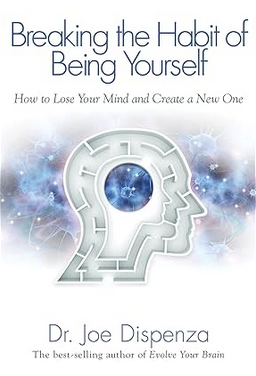
Breaking the Habit of Being Yourself
By Dr. Joe Dispenza
Book in Week 1 Newsletter
The first book featured in Bookshelf Peeled, the reading segment that runs through every issue of The Rebel Onion. Not because it started the reading journey but because it perfectly captured what the newsletter was trying to do from day one. To change, you have to unlearn the old patterns first. Get good at watching your own weird thoughts and triggers. That is how you rewire from the inside out. You do not shed the layer and throw it away. You recognize it, see it from your older and wiser perspective, and neutralize the charge. As Dispenza puts it, a memory without the emotional charge is called wisdom. Get observant. Get free. Referenced in Week 1 of The Rebel Onion.
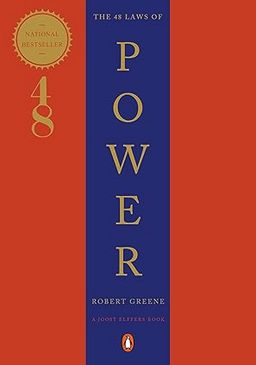
The 48 Laws of Power
By Robert Greene
Book in Week 2 Newsletter
Law 18 hits different when you realize your armor is the problem. Do not build fortresses to protect yourself. Isolation is dangerous. Much like an onion's outer skin, our emotional armor is built for protection but can quietly become a prison, pushing away the very connection and growth we are trying to reach. Greene's ruthless breakdown of power becomes deeply personal when you recognize that the fortress keeping others out is also keeping your authentic core locked in. Referenced in Week 2 of The Rebel Onion.
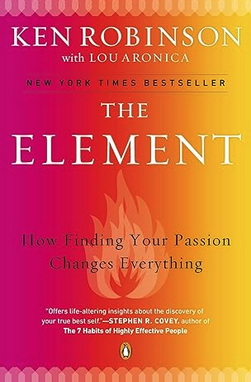
The Element
By Ken Robinson
Book in Week 3 Newsletter
The Element is the meeting point between natural aptitude and personal passion. When you find it you feel most yourself, most inspired, and capable of your highest work. Your inner periscope is not scanning randomly. It rises for the intersection where what you love and what you are naturally wired for collide in glorious rebellion. That is your Element. That is your mission. And it has been calling you home the whole time. Referenced in Week 3 of The Rebel Onion.
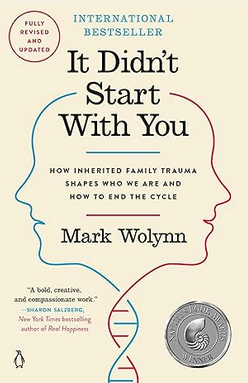
It Didn't Start with You
By Mark Wolynn
Book in Week 4 Newsletter
What if the weight on your shoulders was never yours to carry? Wolynn, an expert in inherited family trauma, makes the case that our most persistent struggles often trace back to unresolved pain in our family history. As he writes, the past does not just affect us. It actually lives on in us. Just as the onion's shoulder layer supports its growth, it can also carry the hidden imprints of generations past. Recognizing which burdens belong to you and which were handed down is the first act of real freedom. Referenced in Week 4 of The Rebel Onion.
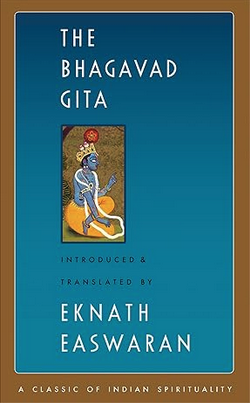
The Bhagavad Gita
By Eknath Easwaran
Book in Week 5 Newsletter
The concept of Yoga, rooted in the Sanskrit word "yuj" meaning to bind together, points toward a state beyond ordinary conditioning called Samadhi. For Week 5 the lesson lands in the root system. That subtle voice that whispers you are not enough is Maya in action, the conditioning veil that keeps you stuck in an inherited perception of reality. The Gita reminds us that by consciously choosing our roots rather than inheriting them by default, we can move beyond ingrained patterns and finally grow toward our own light without being tangled by what no longer serves us. Referenced in Week 5 of The Rebel Onion.
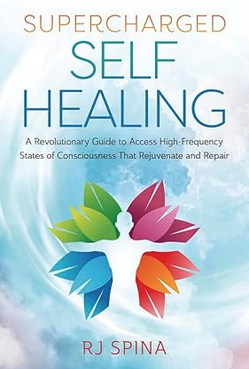
Supercharged Self-Healing
By RJ Spina
Book in Week 6 Newsletter
Watch out for the ego's oldest trick. The moment you start feeling better it whispers go back to what you used to do. Spina's warning is clear. This is not about patching up the old self. It is about getting to the core. Your false self will constantly try to recreate a past reality that can never serve your highest potential. True unlayering means moving beyond your previous conditioning, not returning to it the moment the pressure lifts. Don't let feeling better trick you into going back. Referenced in Week 6 of The Rebel Onion.
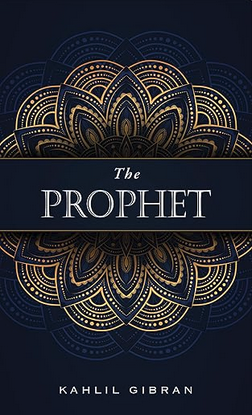
The Prophet
By Kahlil Gibran
Book in Week 7 Newsletter
Gibran wrote it in 1923 and it still cuts deeper than most modern self-help. Your joy is your sorrow unmasked. The lust for comfort murders the passion of the soul, and then walks grinning in the funeral. Silk feels nice but rope helps you climb. In your longing for your giant self lies your goodness, and that giant self is only found by embracing life's rough and challenging currents. This week choose the rope. Referenced in Week 7 of The Rebel Onion.
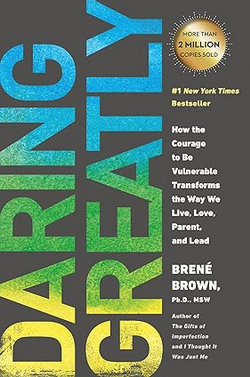
Daring Greatly
By Brené Brown
Book in Week 8 Newsletter
Vulnerability is courage, and allowing yourself to be seen in your brilliance is one of the most vulnerable things you can do. When we deflect praise it often stems from a deep fear of unworthiness, keeping that inner layer hidden rather than owned. Brown points to Roosevelt's Man in the Arena as her north star. If you are not in the arena getting your ass kicked alongside everyone else, your feedback does not count. Worthiness is not something you earn. It is something you cultivate by daring to be seen. Simply saying thank you is a powerful act of peeling back the translucent layer and stepping solid into your earned expertise. Referenced in Week 8 of The Rebel Onion.
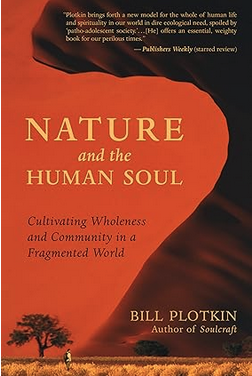
Nature and the Human Soul
By Bill Plotkin
Book in Week 9 Newsletter
Plotkin tells the story of the Little Rock King, an individual so consumed by their small self-proclaimed kingdom on a single rock that they cannot see the vast interconnected landscape they are actually part of. The recognition hits hard. We become so fixated on forcing our current season to be something it is not that we miss the profound wisdom inherent in where we actually are. Stop managing every detail of the ring you are in and start living it. Your season is not an obstacle to your growth. It is the growth. Referenced in Week 9 of The Rebel Onion.
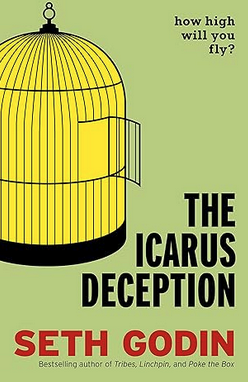
The Icarus Deception
By Seth Godin
Book in Week 10 Newsletter
Godin argues we have been conditioned by industrial society to play it safe, to fly low and avoid failure. But the real danger is not flying too high. It is letting your brilliance stagnate by flying too low. Just as an onion needs to be cut to release its distinct flavor, Godin pushes us to embrace the vulnerable act of putting our true selves into the world. Your irreplaceable power is not found in survival mode. It is found when you stop managing your brilliance and start sharing it. Dare to fly closer to the sun. That is where your true flavor transforms everything it touches. Referenced in Week 10 of The Rebel Onion.
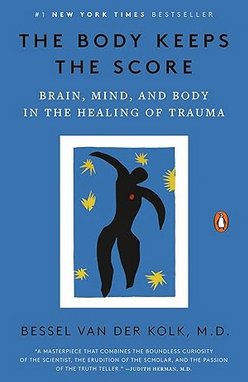
The Body Keeps the Score
By Bessel van der Kolk M.D.
Book in Week 11 Newsletter
Van der Kolk makes it undeniable. Trauma and stress are not just psychological events. They are stored as physical sensations in the nervous system, keeping the body on high alert for a threat that is no longer present. Just as an onion's layers store its entire history of growth, your body holds the score of every experience, every sacrifice, every moment of stress you pushed through without processing. It is not about fixing what is broken. It is about finally listening to what the body has been carrying and updating the operating system to match who you have become. Referenced in Week 11 of The Rebel Onion.
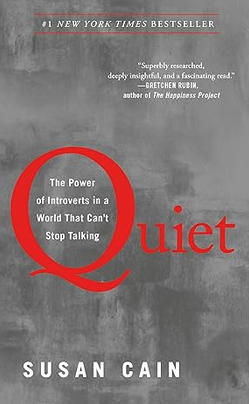
Quiet
By Susan Cain
Book in Week 12 Newsletter
Cain's central argument is that society has created an Extrovert Ideal, pressuring everyone to be outgoing, assertive, and always on. This forces millions into becoming expert chameleons, constantly adapting to fit a room that was never designed for them. The exhaustion you feel from being a different person in every space is not weakness. It is the psychological toll of performing a version of yourself that is not your natural core. Your authentic shape is not a flaw to be fixed. It is the most powerful source of your truest self. Embracing what is underneath all those layers of adaptation is the most radical and necessary step toward a life that actually feels sustainable. Referenced in Week 12 of The Rebel Onion.
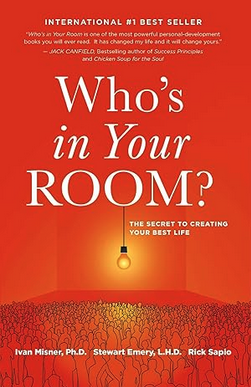
Who's in Your Room
By By Ivan Misner, Rick Sapio
Book in Week 13 Newsletter
Your life is a room and you are the bouncer. The central metaphor is simple but the implications run deep. Your emotional bodyguards, the anger, the perfectionism, the defensiveness, are not flaws. They are intelligent defense systems built to keep you safe. They are doing their job. The question is whether that job still serves the person you are becoming. A personal note on this one. Co-author Rick Sapio, whom I met at his Business Finishing School summits in Dallas around 2015 and 2016, passed away in 2024. He helped shape how I think about who belongs in the room. This one is dedicated to him. Referenced in Week 13 of The Rebel Onion.
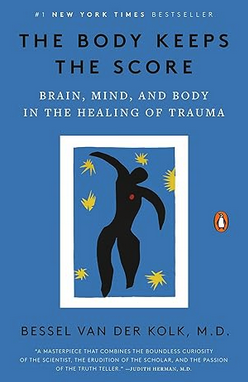
The Body Keeps the Score
By Bessel van der Kolk M.D.
Book in Week 14 Newsletter
In Week 14 the lens shifts to dormancy. Our creative potential is not just buried because we forgot about it. It is because our body's survival instincts put it on pause. The emotional charge from a long ago decision lives in the nervous system long after the conscious mind has moved on, like an onion holding its dormant layer in protective stillness. For the creative soul to finally sprout, the physical and emotional charge keeping it safe but stuck must be released first. Referenced in Weeks 11 and 14 of The Rebel Onion.
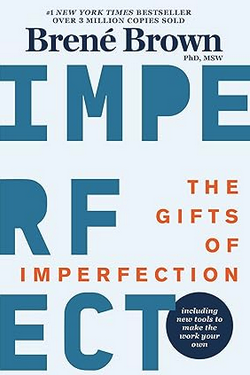
The Gifts of Imperfection
By Brené Brown
Brown draws a distinction that cuts to the core. Fitting in is about changing who you are to be accepted. Belonging is about being your authentic self and being accepted for it. Years in creative support roles is a form of fitting in, adapting your voice to someone else's vision to feel valued. Stepping into creative authority is about belonging to your own voice, and that requires the deepest kind of vulnerability. The center of the onion is tender for a reason. Real creative authority does not start with perfection. It starts with the courage to put your authentic self out there and trust that it is more than enough. Referenced in Week 15 of The Rebel Onion.
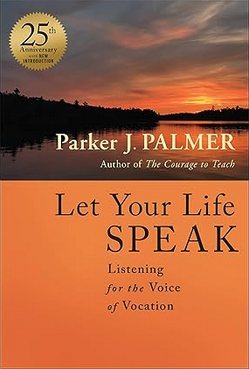
Let Your Life Speak
By Parker J. Palmer
Book in Week 16 Newsletter
Palmer argues that your purpose is not something you create. It is something you uncover by listening to the hidden wholeness of who you already are. Your past experiences, including the struggles and the wounds, are not random detours. They are integral to your unique growth point, preparing you for the service you were always meant to give. Just as an onion's growth point emerges from the center of all its layers, your purpose is revealed at the convergence of everything you have lived through, both the beautiful and the bruised. The newsletter-writing process that accidentally became therapeutic was not an accident at all. Referenced in Week 16 of The Rebel Onion.
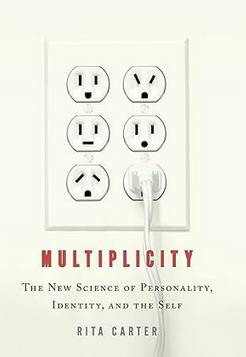
Multiplicity
By Rita Carter
Book in Week 17 Newsletter
Carter argues that our self is not a single entity but a collection of sub-personalities activated by different environments and pressures. What we perceive as inner conflict is actually a negotiation between these multiple growth points. The Caretaker and the Rebel are not opposing forces. They are different parts demanding the same thing in different languages. Your worth. Carter's work reframes the inner war entirely. Your inner voices are not a flaw. They are a hybrid strength waiting to be aligned. When your multiple selves stop fighting and start negotiating toward the same goal, that is when real progress finally becomes possible. Referenced in Week 17 of The Rebel Onion.
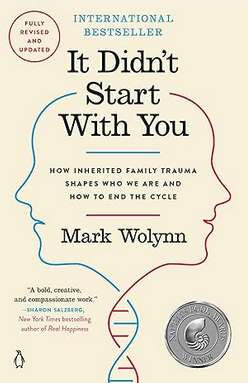
It Didn't Start with You
By Mark Wolynn
Book in Week 18 Newsletter
The focus sharpens on the father's voice. The ancestral operating system is not metaphor. It is inherited code running quietly beneath every decision, every reaction, every pattern of rest equals failure. Wolynn's core lesson is that your current struggles may not be a reflection of who you are at all. They may be an echo of a past that was never yours to carry. Once you see the code you can begin to consciously choose the inheritance that serves your vision and release the rest. Referenced in Weeks 4 and 18 of The Rebel Onion.
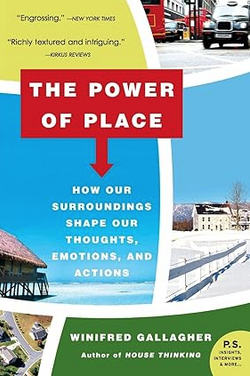
The Power of Place
By Winifred Gallagher
Book in Week 19 Newsletter
Gallagher makes it scientific. Your environment is not a neutral backdrop. It is an active force shaping your identity, thoughts, and behavior every single day. If you want to cultivate new qualities and become a different version of yourself, you must change your soil. Trying to break deep-seated habits while remaining in the same environment that created them is often an exercise in futility. The most effective act of personal growth might simply be transplanting yourself to an ecosystem that demands you become the version of yourself you have been avoiding. Sometimes the breakthrough really does require a new area code. Referenced in Week 19 of The Rebel Onion.

Range
By David Epstein
Book in Week 20 Newsletter
In complex, rapidly changing fields, generalists with breadth and varied experience consistently triumph over narrow specialists. Your core aesthetic gift, the design eye that detects what is missing, is not a specialized skill limited to one tool. It is your range. AI and new technology are simply more instruments for a generalist mind to conduct. When you stop protecting old methods of single-tool mastery you realize that your true irreplaceable edge is your ability to synthesize, apply human judgment, and orchestrate across every new application that emerges. You are not being replaced. You are being amplified. Referenced in Week 20 of The Rebel Onion.
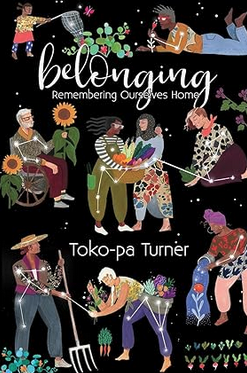
Belonging
By Toko-pa Turner
Book in Week 21 Newsletter
True belonging is not about finding a group that tolerates you. It is about being known and accepted in your full complexity. Turner explores the deep human ache for community and why so many of us settle for tolerance, mistaking it for loyalty. The most courageous act of loyalty is not staying. Sometimes it is removing the ingredient that is quietly poisoning the stew. Your core community should not require you to shrink. It should demand that you grow. Referenced in Week 21 of The Rebel Onion.
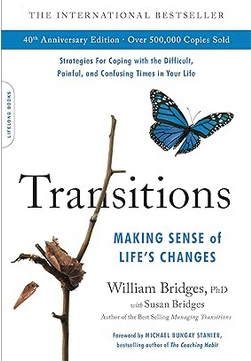
Transitions
By William Bridges
Book in Week 22 Newsletter
Bridges separates change, which is the external event, from transition, which is the internal journey. Quitting the habit is the change. The brutal math of realizing you were running at 43% capacity for 20 years is the transition. His three stages map perfectly onto this layer. The Ending is letting go and forgiving yourself for the wasted optimal days. The Neutral Zone is that raw unformed period where the onion is peeled but not yet cooked, where optimal just feels baseline. The New Beginning is what happens when you stop rushing to fill the space and instead consciously build the systems that support 100% capacity. Do not rush the Neutral Zone. That discomfort is where the real reset happens. Referenced in Week 22 of The Rebel Onion.
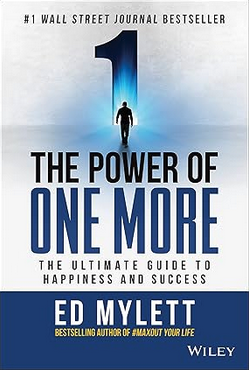
The Power of One More
By Ed Mylett
Book in Week 23 Newsletter
Mylett's core message is that major transformation is not a single massive leap. It is the compounding effect of doing one more intentional action than expected. You are often one more decision, one more honest paragraph, one more day of showing up away from changing everything. The messy middle is where most people quit. Those who plant the seed of one more rep, one more act of authenticity, one more day of invisible work are the ones who build a legacy that outlasts them. Stop waiting for the grand blueprint. The cave you fear to enter holds the treasure. Your legacy is not revealed in the success. It is revealed in the struggle. Referenced in Week 23 of The Rebel Onion.
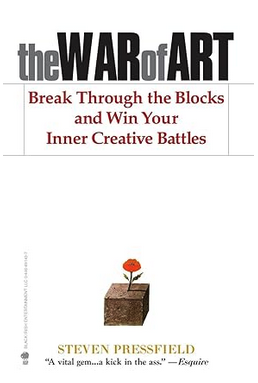
The War of Art
By Steven Pressfield
Book in Week 24 Newsletter
Pressfield names the invisible force that stops every creative person from doing their best work and calls it Resistance. The battle is never the work itself. The battle is simply showing up. Resistance is strongest precisely when you are about to make a fundamental leap, whispering its loudest lie: we have come this far, you cannot quit now. That voice is your old self fighting for survival. Your 10,000 hours are not wasted. They are nutrients. Decomposition is not failure. It is transformation. Bury the timeline and the identity attached to it. That act of letting go is what frees you to finally begin the next better cycle. Referenced in Week 24 of The Rebel Onion.
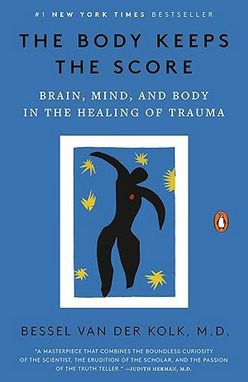
The Body Keeps the Score
By Bessel van der Kolk M.D., Sean Pratt
Book in Week 25 Newsletter
Trauma does not just live in the mind. It rewires the nervous system, leaving unresolved action trapped in the body as paralysis. In Week 25 the focus turns to regeneration, why waiting for perfect conditions is just a sophisticated adult form of freezing, and why the only way out is to move before you feel ready. Referenced in Weeks 11, 14, and 25 of The Rebel Onion.
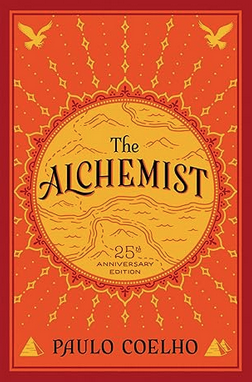
The Alchemist
By Paulo Coelho
Book in Week 26 Newsletter
This was the first audiobook, downloaded during the Wreckless Years, maybe just before they ignited. Coelho's central teaching is that when you truly pursue your Personal Legend the universe conspires to help you achieve it. But the conspiracy is not to make the path easy. It is to make you ready. The detours, the tests, the financial pressure, the rock bottoms are not obstacles to the treasure. They are the necessary process that prepares you to receive it and keep it. The antifragility you developed was never a consolation prize. It was the whole point. The universe was ensuring your success would not spoil you. Referenced in Week 26 of The Rebel Onion.
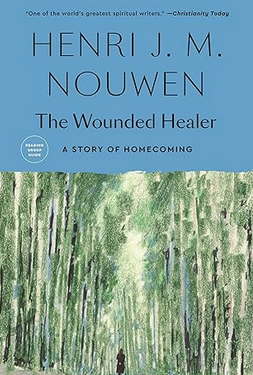
The Wounded Healer
By Brené Brown
Book in Week 27 Newsletter
Nouwen's radical idea that our deepest wounds are not obstacles to helping others but the very source of our ability to do so. The healer who has not suffered has nothing real to offer. Referenced in Week 27 of The Rebel Onion.
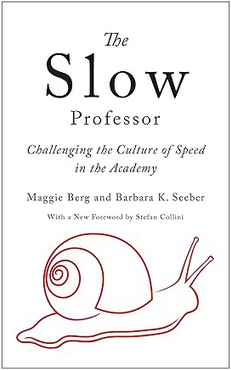
The Slow Professor
By Parker J. Palmer
Book in Week 28 Newsletter
A quiet rebellion against the culture of speed and productivity at all costs. The argument is simple but countercultural: depth, relationship, and meaning require slow heat. You cannot rush what matters most. Referenced in Week 28 of The Rebel Onion.
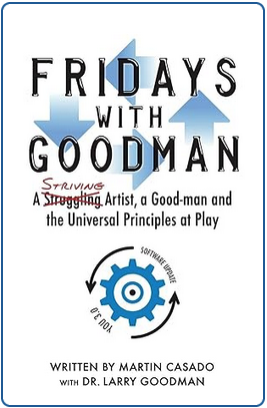
Fridays with Goodman
By Martin Casado (A BOOK I WROTE)
Book in Week 29 Newsletter
The book that started this whole journey. Written from years of Friday morning conversations with Dr. Larry Goodman, it is a practical and honest guide for anyone trying to break free from the limitations they did not choose and build a life that actually fits who they are. Five stars from everyone who has read it. This one is personal. Referenced in Week 29 of The Rebel Onion.
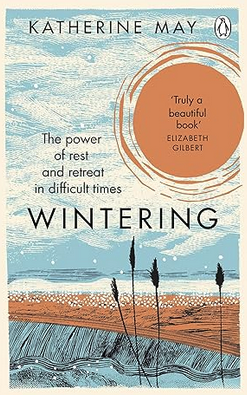
Wintering
By Katherine May
Book in Week 30 Newsletter
May's beautiful case for embracing the fallow seasons of life rather than fighting them. Rest is not failure. Retreat is not weakness. Sometimes going still is the most productive thing you can do. Referenced in Week 30 of The Rebel Onion.
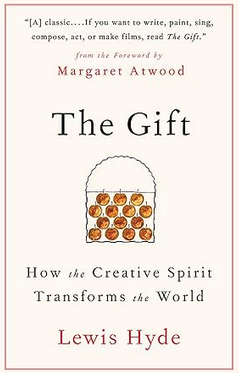
The Gift
By Lewis Hyde
Book in Week 31 Newsletter
Your surroundings shape your thoughts, mood, and identity more than you know. Gallagher makes the case that environment is not just backdrop but an active force in who you become. Referenced in Week 19 of The Rebel Onion.
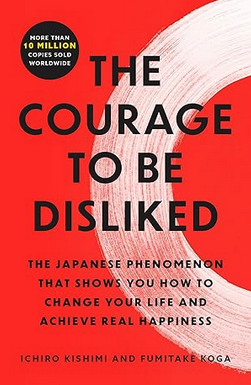
The Courage to Be Disliked
By Ichiro Kishimi
Book in Week 32 Newsletter
Written as a dialogue between a philosopher and a student, this book dismantles the need for approval one conversation at a time. Freedom is not given. It is claimed the moment you stop living for other people's opinions. Referenced in Week 32 of The Rebel Onion.
The Courage to Be Disliked
By Ichiro Kishimi (I liked it a lot)
Book in Week 33 Newsletter
Freedom is not given. It is claimed the moment you stop living for other people's opinions. In Week 33 the lens sharpens on the price of that freedom, which is simply other people's displeasure. The philosopher's most piercing insight is that as long as you seek validation you are living someone else's life. The moment you decide your own worth you stop performing for an audience of one. Referenced in Weeks 32 and 33 of The Rebel Onion.
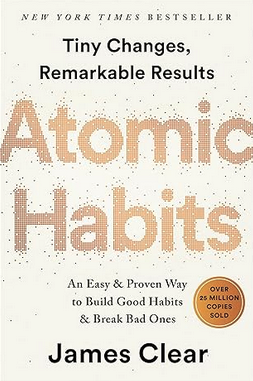
Atomic Habits
By James Clear
Book in Week 34 Newsletter
Clear's most important insight is not about habits at all. It is about identity. You do not rise to the level of your goals. You fall to the level of your systems. True behavior change is identity change. You do not try to protect your time. You become the person who is unavailable for low-value distractions. Just as the onion sprouts inevitably because its internal system has shifted, your boundaries stop being a feat of willpower and become a byproduct of who you now are. The Monday-Wednesday routine with your son is not a chore to be managed. It is a non-negotiable system that runs itself. When the system shifts from performing for validation to protecting presence, the growth becomes self-sustaining. That is the Impossible Reversal. That is inevitability. Referenced in Week 34 of The Rebel Onion.
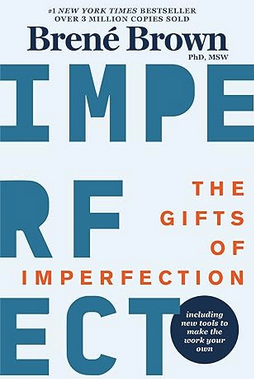
The Gifts of Imperfection
By Brené Brown
Book in Week 35 Newsletter
Wholehearted living is not a destination you reach once the resume makes sense. It is a process of letting go of who you think you are supposed to be so you can embrace who you actually are. In Week 35 the sting is personal. The music, the tech startup, the design firm, the newsletter that has not gone viral yet. Brown reframes that discomfort not as failure but as the price of finally staying in the game without a mask. Cultivating meaningful work means choosing the path that aligns with your soul over the one that guarantees applause. Referenced in Weeks 15 and 35 of The Rebel Onion.
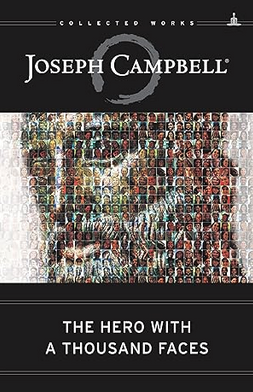
The Hero With a Thousand Faces
By Joseph Campbell
Book in Week 36 Newsletter
Campbell channels the myth of Proteus, the ancient shape-shifter of the sea who knew all things but forced you to hold on while he transformed from lion to snake to leopard to fire to water before he would give you the truth. The lesson was never in forcing him to stay still. It was in not letting go during the transformation. The designer becomes the musician becomes the tech founder becomes the brand strategist. Each shift feels like a complete upheaval, a different creature entirely. But Campbell's insight is that the wisdom is not found by stopping the changes or choosing just one form. It comes from holding on through every version. The world does not need you to be one thing. It needs you to be unflappable enough to shift into whatever the moment requires while never letting go of yourself in the process. Referenced in Week 36 of The Rebel Onion.
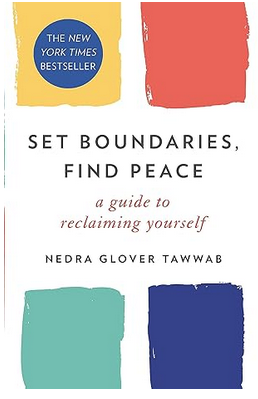
Set Boundaries, Find Peace
By Nedra Glover Tawwab
Book in Week 37Newsletter
Tawwab reframes boundaries not as walls that keep people out but as the clearest expression of what you value and who you are becoming. The boundary is not protection from others. It is protection of yourself. Referenced in Week 37 of The Rebel Onion.

Untamed
By Glennon Doyle
Book in Week 38 Newsletter
Doyle introduces the caged cheetah, an animal raised on store-bought steaks and domestic training until it forgets its own wildness. We are all caged by cultural expectations of who we should be. For years the shock humor and truth bombs were the rebellion of a caged animal, using honesty as a blade to bite back at a world you did not quite trust. But rebellion is just as much of a cage as obedience because both are reactions to someone else. True rawness is not the shock value of the wild. It is the quiet confidence of knowing. As Doyle writes, the more often I do things I want to do, the less bitter I am at people for doing what they want to do. Stop using truth to tear the flesh. Start using it to build the soul. Stop the ambush. Offer the invite. Referenced in Week 38 of The Rebel Onion.
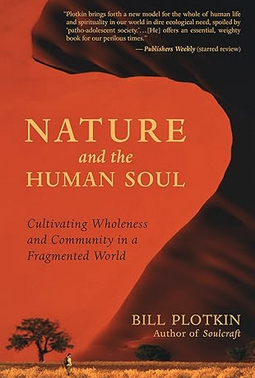
Nature and the Human Soul
By Bill Plotkin
Book in Week 39 Newsletter
Plotkin maps human development through the lens of nature's cycles, arguing that most adults in modern culture never actually finish growing up. Every person has a soul niche, a specific role in the web of life that only they can fill. The tragedy is that most spend decades forcing themselves into shapes that never fit. In Week 39 the insight lands hard. Your 17 years of design and creativity is not scattered history. It is your niche. The forest knows where you are. You just have to stop running and let it find you. Referenced in Weeks 9 and 39 of The Rebel Onion.
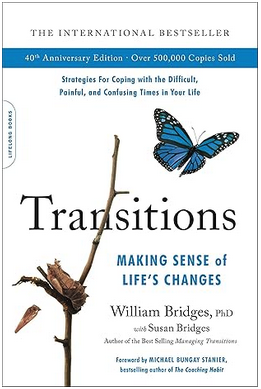
Transitions
By William Bridges, Susan Bridges
Book in Week 40 Newsletter
Bridges distinguishes between a change, which is situational, and a transition, which is psychological. The most dangerous phase is the Neutral Zone, that uncomfortable space where the old way is gone and the new has not yet arrived. In Week 40 the warning sharpens. Most people stay in the Neutral Zone too long not because they are lost but because they are waiting for certainty that will never come. The harvest only happens when you stop analyzing and step out into the fog. Referenced in Weeks 22 and 40 of The Rebel Onion.
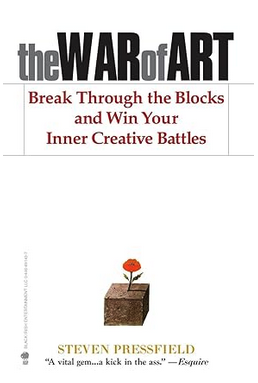
The War of Art
By Steven Pressfield
Book in Week 41 Newsletter
Pressfield names the invisible force that stops every creative person from doing their best work and calls it Resistance. In Week 41 the focus turns to its sharpest weapon, which is shame. Resistance points to every failed startup, every financial setback, every late start as proof you are not worthy of the next level. The professional shows up anyway. Your scars are not disqualifications. They are the credentials that prove you are actually on the journey. The world does not need your perfection. It needs the wisdom you earned while you were bleeding. Referenced in Weeks 24 and 41 of The Rebel Onion.
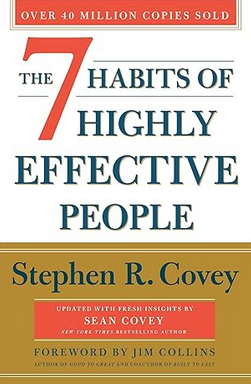
The 7 Habits of Highly Effective People
By Stephen Covey
Book in Week 42 Newsletter
Covey's maturity continuum reframes the entire self-made myth. Dependence, independence, and interdependence are not equal destinations. Independence is a necessary stage but it is not the finish line. In Week 42 the truth lands hard. If you are still trying to prove you do not need anyone, you are not strong. You are stuck. Real power is not found in being the sole source. It is found in having the courage to become a node in something greater than yourself. No onion grows alone. Referenced in Week 42 of The Rebel Onion.
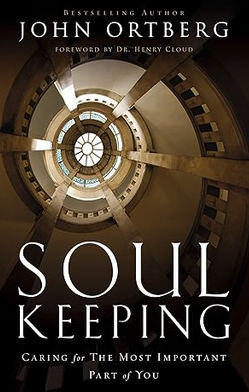
The Gift
By Lewis Hyde
Book in Week 43 Newsletter
Ortberg argues that the soul is the integrator of everything, the part of us that connects intention to action. When the world gets loud and results get thin we reach for more doing. But the soul does not need more activity. It needs the kind of depth that only a dry season can provide. The dark night is not a punishment. It is a recalibration. What is left of you when the results are gone is the only question that matters. Referenced in Week 43 of The Rebel Onion.
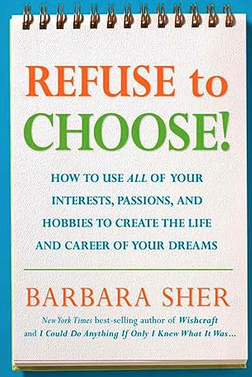
Refuse to Choose!
By Barbara Sher
Book in Week 44 Newsletter
Sher wrote the survival guide for people with too many interests and too much curiosity to settle into a single lane. She calls them Scanners and she argues that the pressure to niche down is an artificial constraint that ignores how a creative mind actually works. In Week 44 the lesson hits close to home. The data said pick one bulb. The gut kept tending the whole garden. Trust the Scanner. The division is the strength. Referenced in Week 44 of The Rebel Onion.

The Becoming Blueprint
By Martin Casado - Make a Newsletter
Book in Week 45 Newsletter
This one is different. It did not come from a bookshelf. It came from 14 years of Post-it notes, failed pivots, dissolved startups, and 44 layers peeled back one honest week at a time. The Becoming Blueprint is a 30-page guided framework built around the same transformation system behind this entire newsletter. Six deep-dive layers, AI prompts to help you write your own story, and a 12-week arc to turn your layer into consistent content. Not a marketing template. Not a shortcut to polish. A structured guide for anyone who knows they have a story worth telling and just needs permission to start. Referenced in Week 45 of The Rebel Onion. Get your copy for $27.
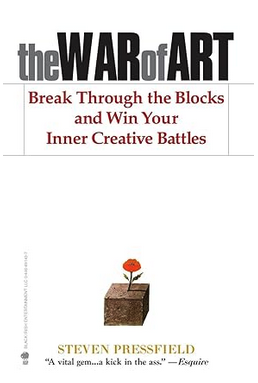
The War of Art
By Steven Pressfield
Book in Week 46 Newsletter
Pressfield names the invisible force that stops every creative person from doing their best work and calls it Resistance. In Week 41 the focus turns to shame as its sharpest weapon. In Week 46 the lesson deepens into winter. The Amateur quits because no one is clapping yet. The Professional understands that Resistance is most fertile when the ground is cold and shows up anyway. Do not judge the work by the harvest. Judge it by your attendance. Showing up in the winter is what earns you the right to the spring. Referenced in Weeks 24, 41, and 46 of The Rebel Onion.
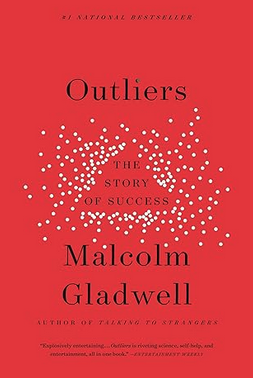
Outliers
By Malcolm Gladwell
Book in Week 49 Newsletter
Gladwell's most important lesson is not that 10,000 hours creates mastery but that the quality and timing of those hours matter more than the clock. Mastery is the result of deliberate practice in high pressure environments when no one is watching and no one is responding. In Week 49 the reframe lands hard. Your past seasons of struggle were not lost time. They were the raw materials required to build your current authority. You were never starting over. You were adding rings. Referenced in Week 49 of The Rebel Onion.
Daring Greatly
By Brené Brown
Book in Week 47 Newsletter
Brown's research-backed argument for why vulnerability is not weakness but our most accurate measure of courage. In Week 47 the lens sharpens into intensity. The composure we perform is actually armored leadership, a way of protecting ourselves from judgment that also prevents real impact. Daring greatly means having the courage to be intense, clear, and unfiltered, knowing that while it makes some people uncomfortable, it is the only way to forge a true connection with your work and your audience. The arena does not reward the armored. It rewards the brave. Referenced in Weeks 8 and 47 of The Rebel Onion.
The Hero with a Thousand Faces
By Joseph Campbell
Book in Week 50 Newsletter
Campbell's masterwork on the universal story that every human life follows whether we recognize it or not. The call, the resistance, the journey, the return. In Week 50 the milestone lands differently. Fifty weeks on the stove is not a detour. It is the essential crossing of the threshold. Campbell argues that the trials are not designed to break you but to concentrate your essence, stripping away the roles you have outgrown so the released individual can finally emerge. Your current pressure is not a sign you have lost the path. It is proof you are on it. Still cooking. Referenced in Weeks 36 and 50 of The Rebel Onion.
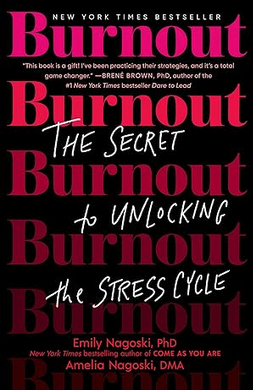
Burnout
By Emily Nagoski PhD
Book in Week 48 Newsletter
The Nagoski sisters make a crucial distinction most people miss. Solving the problem and completing the stress cycle are two entirely different things. You can resolve the crisis and still leave your nervous system convinced the threat is ongoing. In Week 48 the lesson is about chosen versus conditioned tolerance. Every week you show up to this newsletter is a biological signal to your body that you survived the field and produced something real. Stop thinking your way through the stress. Move through it and get to the other side. Referenced in Week 48 of The Rebel Onion.
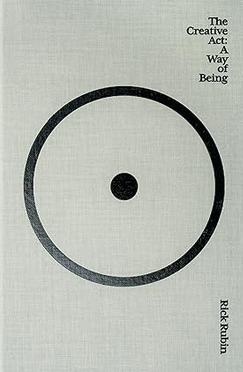
The Creative Act
By Rick Rubin
Book in Week 51 Newsletter
Rubin reframes the entire creative process. Your work is not a performance to be judged but a natural release of what has been stored. The obstacle is never talent or timing. It is the weight we place on the outcome. Lower the stakes. View each output as a small experiment rather than a final verdict. Stop negotiating with the timing and stop waiting for external validation. The bloom is not something you decide. You simply run out of reasons not to. Referenced in Week 51 of The Rebel Onion.
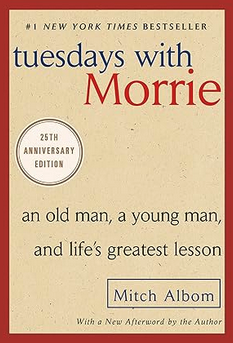
Tuesdays with Morrie
By Mitch Albom
Book in Week 52 Newsletter
Albom did not show up with a plan to write a bestseller. He simply showed up. Legacy is not something you engineer from day one. It is an echo that emerges when you commit to pulling one meaningful thread long before the world hands you an audience. In Week 52 the lesson is clear. Stop calculating the final impact before you build it. The seed for your next twenty years is usually a project or a relationship already right in front of your face. You do not build a legacy by staring at the horizon. You build it by chopping the wood. Referenced in Week 52 of The Rebel Onion.
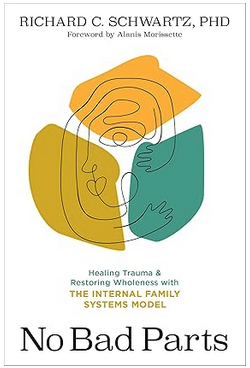
No Bad Parts
By Richard Schwartz PhD
Book in Week 53 Newsletter
Schwartz introduces a liberating truth. Your mind is not a single entity. It is a system of parts, each formed to protect you, each running on settings that made sense once. The friction you feel between your father's voice and your own, between creative drive and financial pressure, is not failure. Those are not broken components to eliminate. They are gears carrying a heavy load on old factory settings. Integration is not fixing yourself. It is stepping in as the conscious engineer, acknowledging why each part exists, and recalibrating the whole mechanism to work together. You do not need to be replaced. You just need to be led. Referenced in Week 53 of The Rebel Onion.
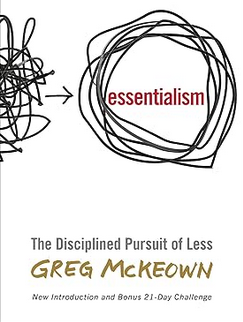
Essentialism
By Greg McKeown
Book in Week 54 Newsletter
McKeown exposes the trap that high achievers constantly fall into. The disciplined pursuit of more. We stretch ourselves so thin fulfilling every role, managing every expectation, and salvaging every past commitment that our true identity gets buried under the noise. The thesis is ruthless and structural. It is not about doing more things. It is about deliberately choosing the vital few and discarding everything else without apology. If you do not design your own life someone else will step in and design it for you. The Essence Layer demands you identify what you are keeping alive simply because it was handed to you and give yourself permission to let it go. Referenced in Week 54 of The Rebel Onion.
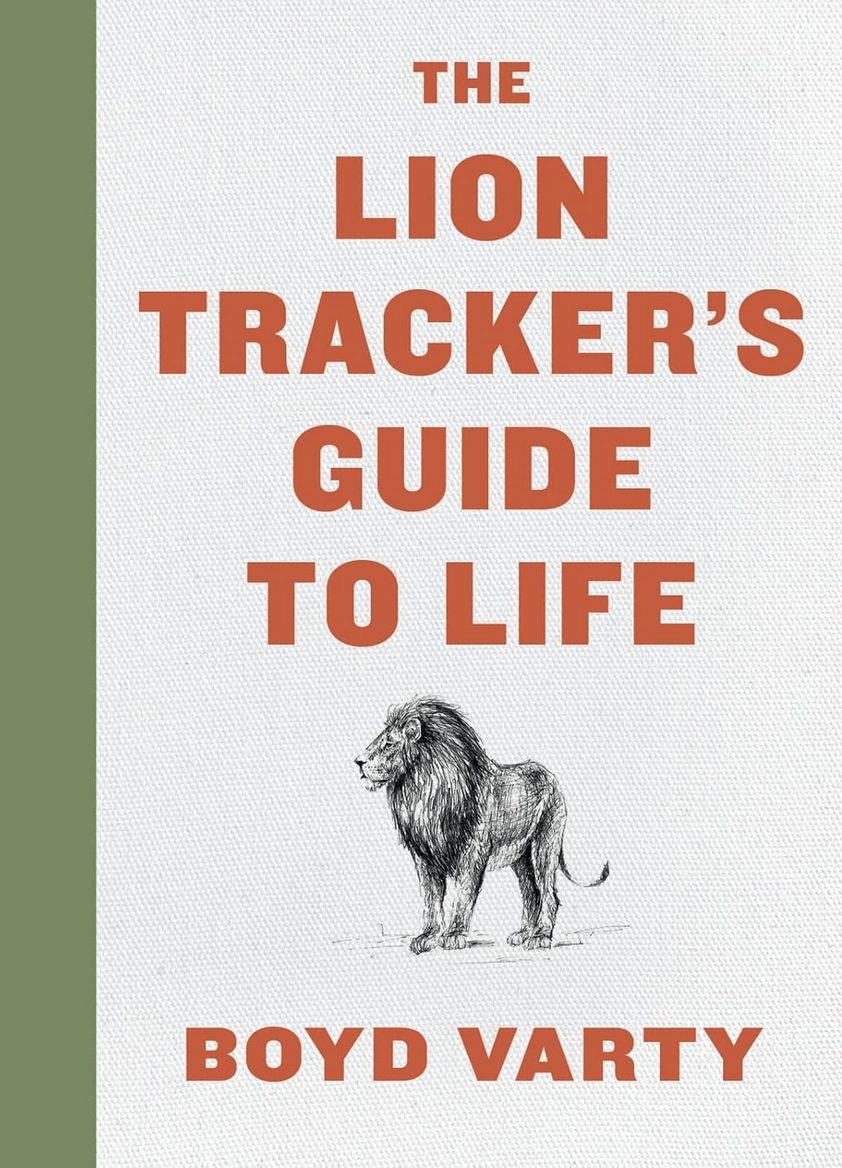
The Lion Tracker's Guide to Life
By Boyd Varty
Book in Week 55 Newsletter
Master trackers do not find their target by studying old maps or scanning the horizon. They find it by reading the single next footprint right at their feet. When the trail goes cold a novice panics and searches for a new manual. A master tunes into the immediate ground. Collecting endless business frameworks and podcasts is just a sophisticated way to avoid the path. Your skills, your tools, your execution momentum are already pressed into the soil. Stop looking at the seed catalog. The track is already live. You have enough. Now use it. Referenced in Week 55 of The Rebel Onion.
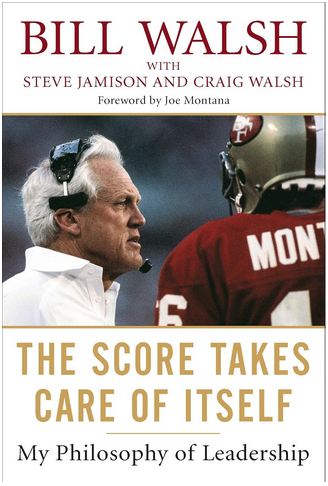
The Score Takes Care of Itself
By Bill Walsh
Book in Week 56 Newsletter
Walsh banned his players from talking about winning games, making the playoffs, or holding up trophies. He forced them to obsess over the mechanical precision of the single immediate play. His philosophy was revolutionary because it completely ignored the rabbit. When an organization stops frantically staring at the scoreboard the winning happens as a natural byproduct of execution. Rewriting your playbook mid-game because you are not winning fast enough is a sophisticated form of self-sabotage. Drop the anxiety of the final score, trust the system you have built, and execute the play that is live right now. The rabbit was never the point. The run is. Referenced in Week 56 of The Rebel Onion.
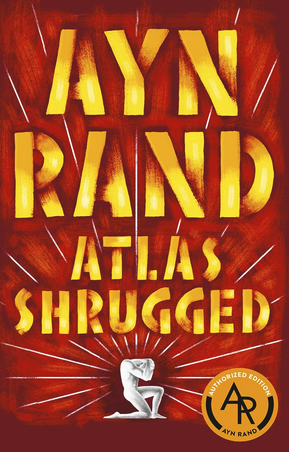
Atlas Shrugged
By Ayn Rand
Book in Week 57 Newsletter
Francisco d'Anconia's Money Speech strips away every emotional distortion we paste onto the concept of success. Money is not a judge of your suffering or a metric for how much you have bled before you are permitted to thrive. It is a neutral tool, an amplifier of human competence that goes wherever you direct it. When you inherit a blueprint that commands endless struggle as the only acceptable currency for validation, you hand over the wheel to an ancient unconscious narrative. The tool carries no inherent pain. It simply mirrors your level of execution. Stop treating achievement as an emotional scoreboard for how much you have suffered. Clear the projections and step into a reality where you are fully allowed to build, receive, and succeed without paying a tax of unearned struggle. Referenced in Week 57 of The Rebel Onion.
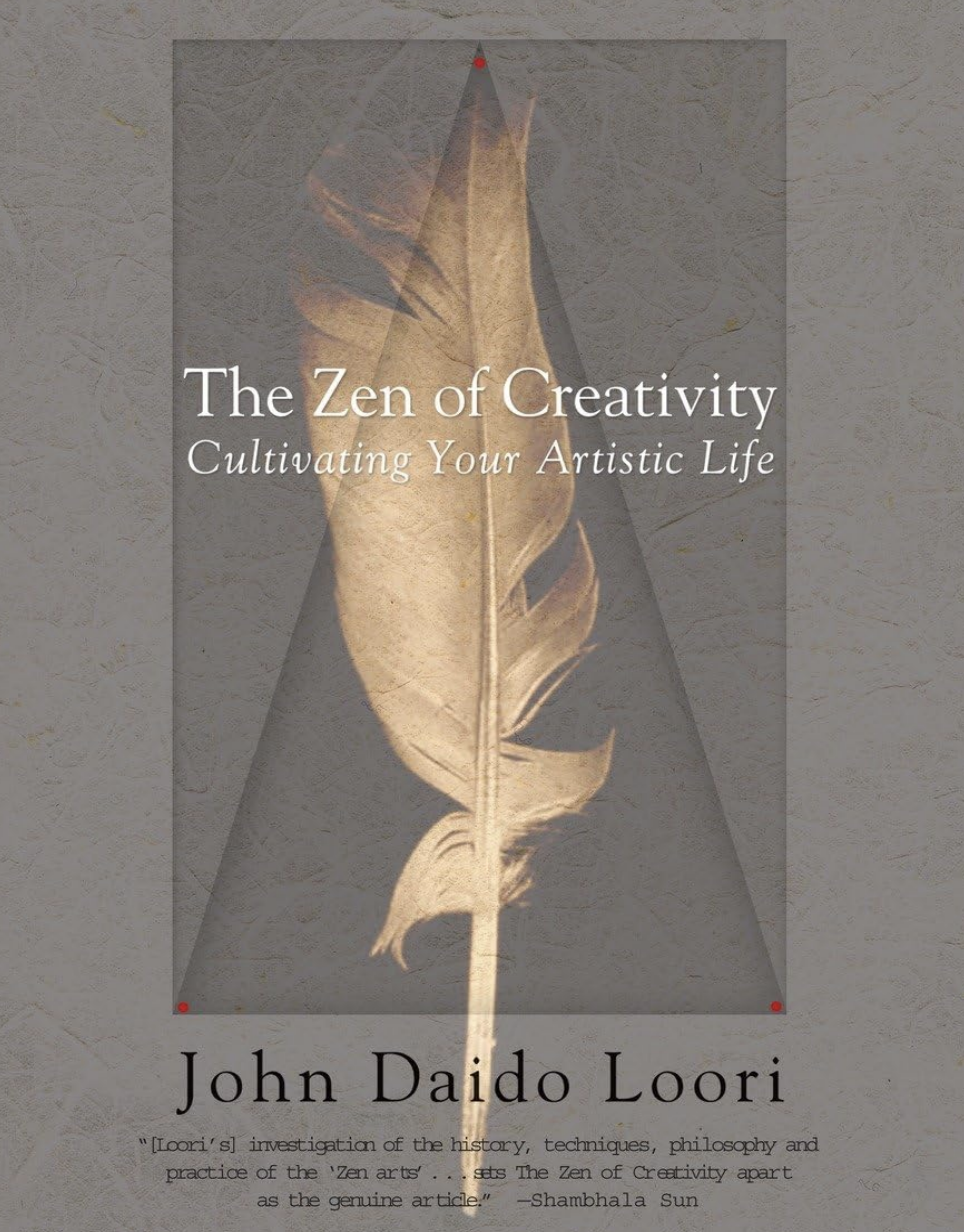
The Zen of Creativity
By John Daido Loori
Book in Week 58 Newsletter
Loori reframes the creative process as an unblinking mirror of your current internal state. The artless arts are practices where you stop trying to manipulate an outcome and trust your baseline nature to bring forth what is necessary. True creation should happen as naturally as growing your hair. The work always reflects exactly where you stand, meaning you cannot hide behind an old narrative once you commit to outward action. The space cleared through past losses is not an empty void to be mourned. It is a fertile landscape ready for a new reflection. Stop waiting for a perfect wound-free version of yourself to appear before you permit yourself to launch. The false starts, the disruptions, and the hard endings are the exact raw materials for the next build. The peeling was never the point. This is. Referenced in Week 58 of The Rebel Onion.
The War of Art
By Steven Pressfield
Book in Week 59 Newsletter
Pressfield names the invisible force that stops every creative person from doing their best work and calls it Resistance. In Week 41 the focus turns to shame as its sharpest weapon. In Week 46 the lesson deepens into winter and showing up when no one is watching. In Week 59 the final form reveals itself. Resistance is most terrifying not when you are down in the trenches but when you finally break through to the surface and face a blank slate. It screams at you to turn around and dig back into old history, convincing you that you still need more healing, more credentials, more preparation before you are allowed to launch. The professional shows up anyway. No manual. No inspiration required. Just discipline, a reason for building, and the courage to execute in the open where everyone can watch you figure it out. Referenced in Weeks 24, 41, 46, and 59 of The Rebel Onion.
Let Your Life Speak
By Parker Palmer
Book in Week 60 Newsletter
Palmer argues that your purpose is not something you create. It is something you uncover by listening to the hidden wholeness of who you already are. In Week 60 the warning sharpens. Forcing yourself to live up to external standards is an act of noble violence toward your true self. Chasing the lifestyle that looks correct from the outside is a sophisticated distraction if it requires you to imitate a life that was never yours. Our strongest gifts are usually so native to us that we barely notice them. While staring in the mirror of what you thought you were supposed to build, a newsletter was already organically reaching ten countries at 6:20 in the morning. Stop pounding on closed doors. The ones already open are right in front of you. Referenced in Weeks 16 and 60 of The Rebel Onion.
Conversations with God
By Neale Donald Walsch
Book in Week 61 Newsletter
This is the book that gave the hall of mirrors image fourteen years ago. Walsch's core insight is that the pain in a situation is rarely the situation itself. It is the judgment stacked on top of it. And that judgment sits on an older one, and an older one before that, all the way back to what he calls the first thought. If the original thought was wrong everything built on top of it just multiplies the error. For five years in the tech maze the same pattern repeated. New strategies, new decks, new partners, all stacked on one faulty first thought. I have to prove I can do it on my own. In a hall of mirrors speed only bruises you faster. You do not need a cleverer way through the funhouse. You need to step off the reflections and onto real ground. Trace it back to the root and correct it there. Referenced in Week 61 of The Rebel Onion.
David and Goliath
By Malcolm Gladwell
Book in Week 62 Newsletter
Gladwell dismantles the myth that giants are invincible and hardships are purely destructive. What we perceive as disadvantage, the setback, the failure, the grueling obstacle, is often the very thing that forces us to develop strengths we would have never otherwise possessed. Giant-killing is not about matching strength with strength. It is about changing the rules of engagement entirely. David did not put on heavy armor or carry a sword. He used what was native to him. Agility, speed, and trust. For years the walkaway, the financial strain, the failed ventures felt like marks against the record. But the easy path leaves you soft and unprepared. The giants were not punishment. They were the training ground giving you the exact weapon you needed. Stop wishing for an easier path. Use what is already in your hands and let the giant make you. Referenced in Week 62 of The Rebel Onion.
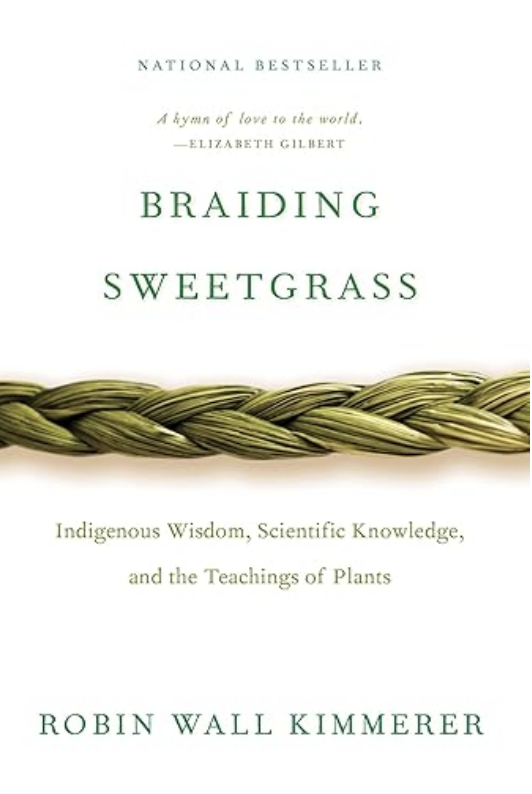
Braiding Sweetgrass
By Robin Wall Kimmerer
Book in Week 63 Newsletter
Kimmerer bridges indigenous wisdom and plant biology to reveal a fundamental law of nature. No root exists solely for itself. When plants go deep into the soil they are not hoarding nutrients to build a private bunker. They actively transform what they find and return it to the earth, feeding the surrounding networks and enriching the whole field. Sweetgrass that is tended and harvested flourishes. Sweetgrass left alone and ignored eventually chokes on its own buildup and dies. Depth without distribution is not health. It is stagnation. Staying underground under the guise of getting ready violates the ecosystem. The gift demands to be given. Pouring your best energy into client fields while letting your own platform starve is not humility. It is withholding the harvest. The root work is done. Break through the surface and let the gift feed the field. Referenced in Week 63 of The Rebel Onion.
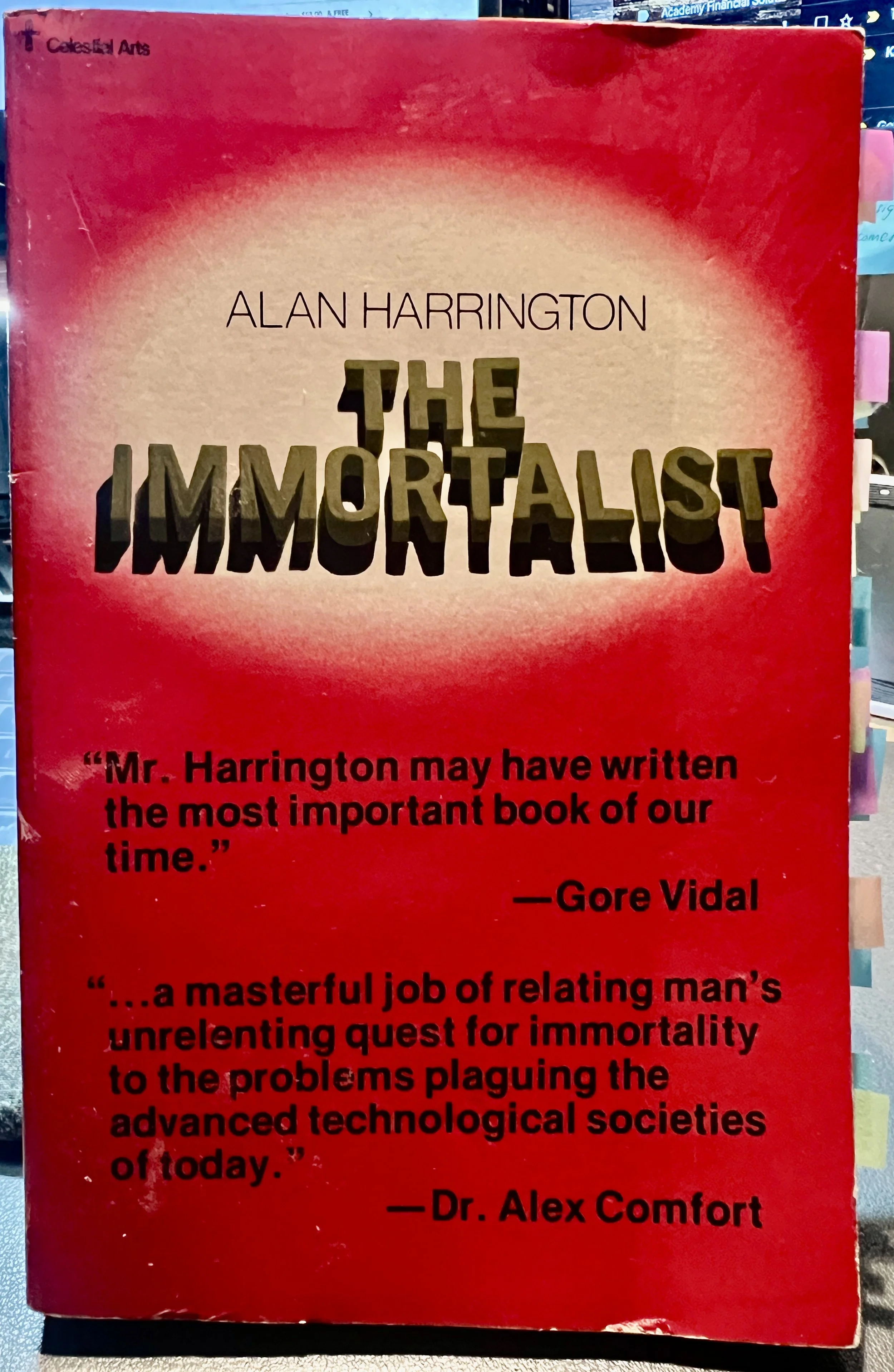
The Immortalist
By Alan Harrington
Book in Week 64 Newsletter
Harrington delivers a fierce declaration. Stop glorifying your limitations, worshiping your helplessness, and accepting slow decay as a sacred rule. People build elaborate philosophical and spiritual excuses just to cope with standing still. His demand is an immediate shift from passive acceptance to active radical creation. You do not wait for permission. You do not accept the inevitable slope. You use every tool and ounce of energy in front of you to engineer your own expansion. Storing your lived chapters, hiding behind old excuses, and asking why it has not hit yet is just decorating your own stagnation. The only move that matters is taking today's raw light, the tools, the camera, the client work, the 6am discipline, and actively converting it into growth. Stop accepting the delay. Stop keeping your best work in the pantry. Referenced in Week 64 of The Rebel Onion.
The Alchemist
By Paulo Coelho
Book in Week 65 Newsletter
Coelho's first teaching is that when you pursue your Personal Legend the universe conspires to help you achieve it. In Week 26 the lesson was about financial pressure and antifragility, how the detours prepare you to receive what quick success never could. In Week 65 the same story reveals a different layer. Santiago spends years traveling, working in a crystal shop, learning the desert, all searching for treasure he thought was buried at the Pyramids. It was under the sycamore tree where he started. The journey was not a waste. The crystal shop was not a distraction. Every pivot, every quiet pull was the Language of the World guiding him forward. Stop calling your past chapters detours. Every skill you picked up and every quiet interest you followed was training you for exactly where you are standing right now. Referenced in Weeks 26 and 65 of The Rebel Onion.
Big Magic
By Elizabeth Gilbert
Book in Week 66 Newsletter
Gilbert removes the heavy ego from the creative process and replaces it with a liberating truth. Ideas are disembodied energy forces shopping for a human collaborator. They knock on your door and if you are too busy, distracted, or trying to micromanage them they move on to someone else. The greatest trick of the creative life is treating inspiration not as a burden you have to manufacture but as a temporary visitor you are lucky enough to host. When you stop treating your work as proof of your own intelligence and start treating it as a signal you are simply catching, the pressure vanishes. You do not have to carry the weight of being the brilliant creator. You just have to show up, pull up the chair, and keep the door unlocked. You are not generating the signal. You are tuning into the frequency. Answer the door when the idea comes knocking. Referenced in Week 66 too.
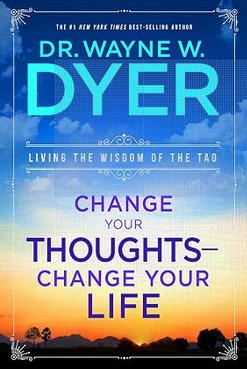
Change Your Thoughts, Change Your Life
By Wayne Dyer
Book in Week 67 Newsletter
Dyer breaks down Chapter 11 of the Tao Te Ching to expose a trap most of us fall into. Obsessing over the vessel, the outer form, the job title, the packed calendar, the status, while completely ignoring the non-physical space inside where actual life happens. We spend years decorating the walls of the cup and forget that it is the emptiness inside that holds the nourishment. When you fill every hour and every corner of your mind with noise you leave no room for your own intuition to operate. Peace and creative power do not come from managing the outer walls or adding more to your plate. They come from honoring the quiet center. Stop solving burnout by adding another system or more noise. The most functional part of your life right now is the space you leave empty. Clear it out and let the hollow do the work. Referenced in Week 67 of The Rebel Onion.
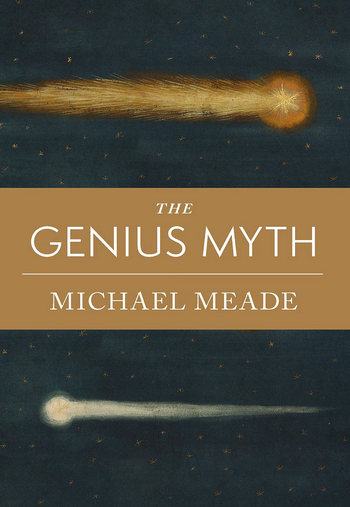
The Genius Myth
By Michael Meade
Book in Week 68 Newsletter
Meade makes the case that humans have always needed mythic stories to metabolize modern life. Myth is not decoration or entertainment. It is medicine. When the world stops making sense, when the systems around you feel too flat or too fast or too disconnected from meaning, myth is what re-enchants the ordinary. The Hero's Journey lit up so many lives for so many decades because it was the right medicine for a generation that needed a shape for their inner striving. But every medicine has a shelf life. When the whole culture starts believing everyone is supposed to be the singular hero of their own cosmic movie the medicine turns into the disease. Meade offers Genius as the next prescription. Not become the Chosen One but uncover and give the specific gift you were born with. The stories you carry are your medicine not your identity. When a frame has been running your life for years and you feel more isolated than expanded it might be time for a new prescription. Referenced in Week 68 of The Rebel Onion.
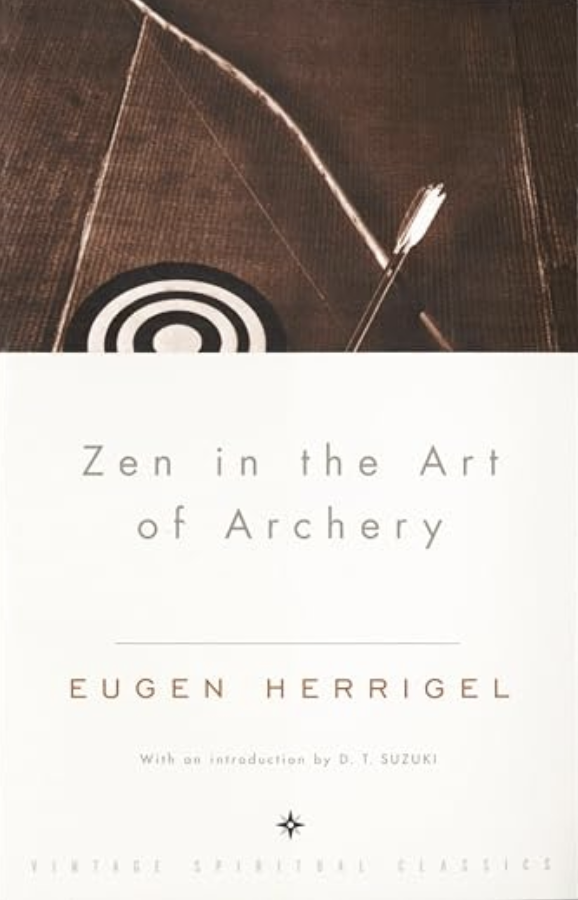
Zen in the Art of Archery
By Eugen Herrigel
Book in Week 69 Newsletter
Herrigel spends six years in 1930s Japan trying to learn archery under a Zen master. He is a German philosophy professor. Serious, disciplined, precise. And for six years he fails because he keeps trying to shoot the arrow. The master keeps telling him he is the problem. The moment finally comes when Herrigel releases a shot without meaning to and the master says quietly, it shot. Not you shot. It shot. The arrow released itself. The archer had become the instrument through which the shot happened. That is the whole physics of the instrument state. The musician stops playing the song and the song plays itself through her. The designer stops designing and the design designs itself. The writer stops writing and the sentence arrives already assembled. Effort still happens but ego is no longer holding the bow. Stop trying to be the one shooting. Show up. Prepare the body, the tools, the room. Then let the effort you have built release itself through you. The arrow lands truer when you stop aiming so hard. Referenced in Week 69 of The Rebel Onion.
Zen Mind, Beginner's Mind
By Shunryu Suzuki
Book in Week 70 Newsletter
Suzuki lays out one of the most foundational principles of self-mastery. In the beginner's mind there are many possibilities but in the expert's mind there are few. When you believe you have already figured everything out your expertise becomes a cage. You bring old fears, past conditioning, and pre-packaged answers to every new situation, mistaking your accumulated noise for wisdom. Most of what we call experience or being responsible is just expert-level fear running on autopilot. We talk ourselves out of our true value because the expert mind has already calculated every way things could go wrong. Sitting in ten minutes of silence forces you out of that trap and back into the beginner's posture. The empty mirror. The quiet puddle. In that open unconditioned space you stop managing your reputation and finally start hearing the unvarnished truth. Drop the expert identity and let the truth speak before your inner critic steps in to manage it. Referenced in Week 70 of The Rebel Onion.

David and Goliath
By Malcolm Gladwell
Book in Week 71 Newsletter
Coming Soon
Braiding Sweetgrass
By Robin Wall Kimmerer
Book in Week 72 Newsletter
Coming Soon

To be announced
By Coming Soon
Book in Week 73 Newsletter
Coming Soon

To be announced
By Coming Soon
Book in Week 74 Newsletter
Coming Soon

To be announced
By Coming Soon
Book in Week 75 Newsletter
Coming Soon

To be announced
By Coming Soon
Book in Week 76 Newsletter
Coming Soon

To be announced
By Coming Soon
Book in Week 77 Newsletter
Coming Soon
To be announced
By Coming Soon
Book in Week 78 Newsletter
Coming Soon